-
Accuracy & calibration traceability: For lab use, youll want a timer with a very small error (<0.01% preferably) and ideally a calibration certificate (e.g., ISO 17025, NIST-traceable). For example, one timer from Traceable offers accuracy of 0.001%.
-
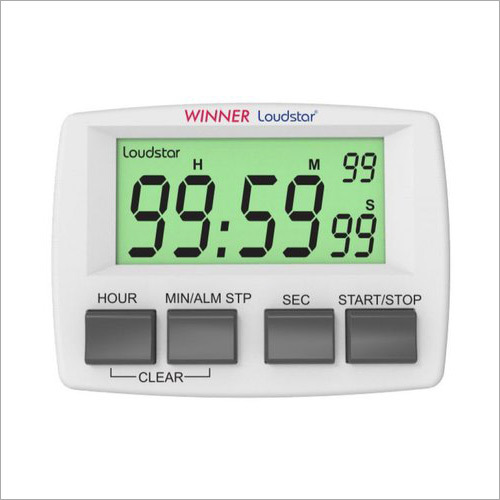
Timing capacity & modes: Count-down, count-up (stopwatch), time-of-day clock, memory/recall of last time, multi-channel if you have many simultaneous experiments. Example: one timer supports 99 h 59 m 59 s and up/down modes.
-
Resolution / display: Large digits for easy reading across the lab, clear display of remaining time. For example: 1.5 high digits in one model.
-
Build & mounting options: Magnet back, clip, stand, durable housing so you can mount on incubators, wall or bench. Example model supports multiple mounting options.
-
Repeatability / memory functions: If you frequently use same timing, memory recall helps. Something like Bounceback memory is a feature in some lab timers.
-
Alarm & notification: Good audible alarm, possibly visual cue, adjustable volume, so you dont miss the end of a timed event. Example: adjustable alarm in multi-channel model.
-
Channels / simultaneous timing: If you have multiple experiments running together, multi-channel timer helps (2, 3 or more timers in one unit). Example: triple-display timer of Traceable line.
-
Material & environment compatibility: In labs you may have chemical exposure, humid/incubator environment, so material choice (ABS, metal, chemical-resistant housing) matters. Example: a model with polished metal case and rubber backing.




 Send Inquiry



 Send Inquiry


