Non Hepernized Capillary Tube About
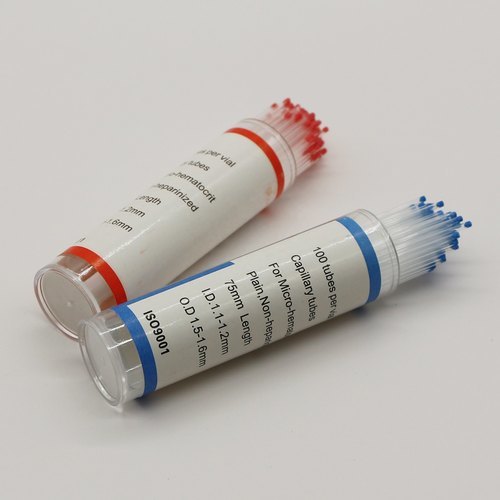
Designed for the illustrious minds of the laboratory, our Non Heparinized Capillary Tube is engineered for stellar performance and unrivaled accuracy. Made from radiant, clear borosilicate glass, this tube boasts high precision with an inner diameter of 1.1-1.2 mm and is resistant to thermal shocks up to 200C. Each single-use, disposable tube is either plain or marked with a distinctive blue color at one end, reflecting its ephemeral, ending soon, and reduced design philosophy. Perfect for critical laboratory procedures, these 90mm tubes are supplied pre-sterilized, ensuring safe application and illustrious results with every use. Ideal for exporters, manufacturers, and suppliers alike in India seeking a lofty standard in laboratory glassware.
Extra Features and Usage Scope
Our Non Heparinized Capillary Tubes shine with features like one-end color coding for swift identification, pre-sterilized readiness, and high precision in capillary action for reliable analytical results. Used extensively in haematology and biochemistry labs, these tubes are suitable for collecting and measuring small blood samples, micro-sampling, and various diagnostic tests. Their manual operation and exceptional glass quality cater to both research and clinical environments, making them indispensable for professionals aiming for accuracy.
Packaging, Delivery, and Logistics Information
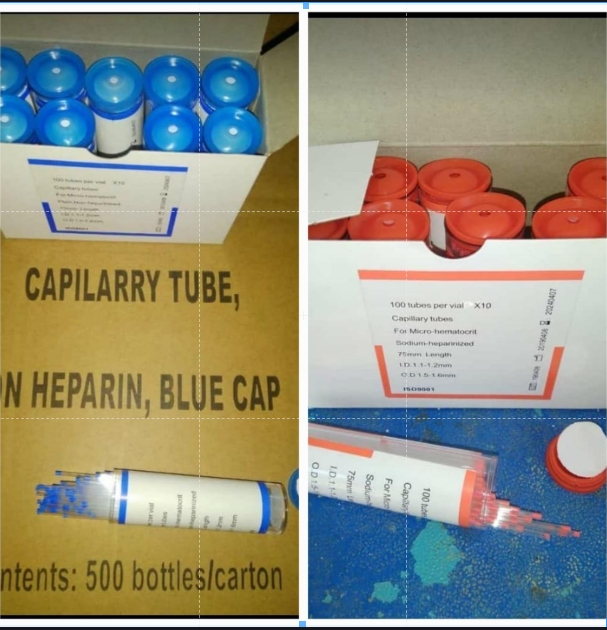
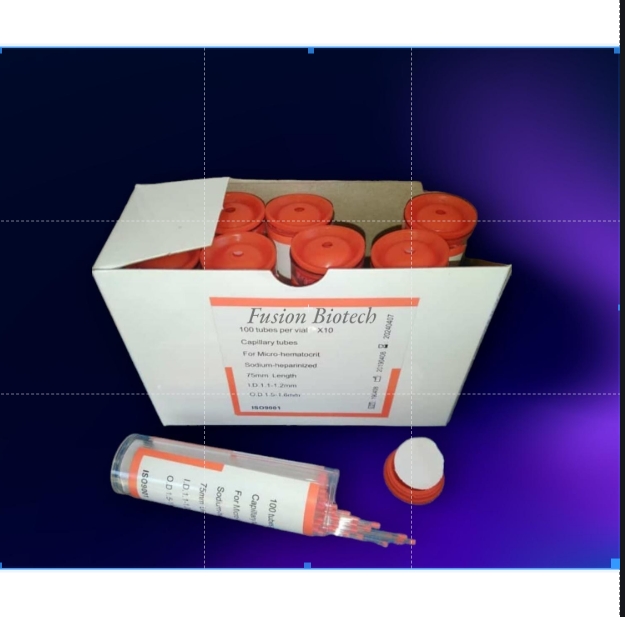
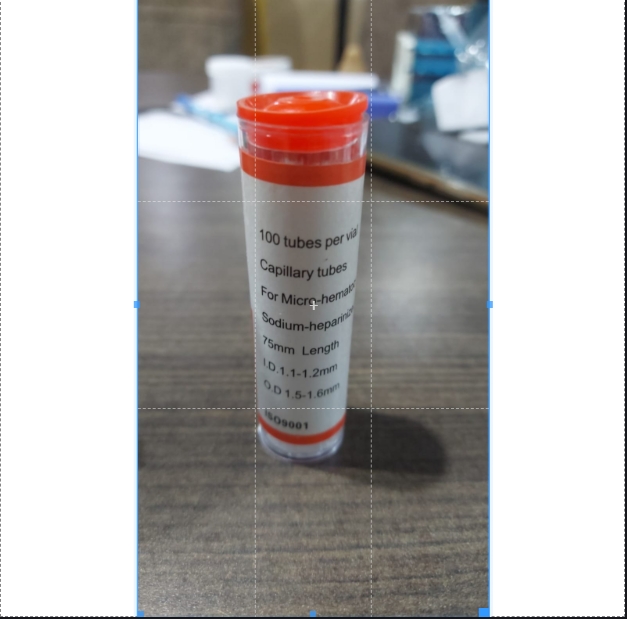
Each pack contains 100 tubes, securely packaged to maintain integrity during transport. With an efficient logistics and transport service network, we ensure timely deliveries through leading FOB ports in India. Our supply ability caters to bulk and urgent orders, offering competitive sale prices and prompt customer support. Designed with traders and bulk buyers in mind, these tubes reach clients across various destinations, prioritizing reliability in every shipment and maintaining quality from warehouse to lab.
FAQ's of Non Hepernized Capillary Tube:
Q: What distinguishes non-heparinized capillary tubes from heparinized ones?
A: Non-heparinized capillary tubes lack anticoagulant coating, making them suitable for tests where blood clotting is not a concern, whereas heparinized tubes prevent clotting for specific procedures.
Q: How should I use a non-heparinized capillary tube in the laboratory?
A: Simply collect the sample through capillary action by dipping the open end of the tube into the fluid. For accurate results, ensure the color-coded end is handled as indicated by your protocol.
Q: When should non-heparinized capillary tubes be preferred?
A: They are ideal for applications where sample coagulation is either not an issue or desired, such as certain hematology tests or studies that do not require anticoagulation.
Q: Where are these tubes commonly utilized?
A: These tubes are predominantly used in clinical laboratories, research facilities, and diagnostic centers for sample collection, micro-hematocrit determinations, and similar procedures.
Q: What benefits do the color-coded ends provide?
A: The color-coded end simplifies identification, reducing human error and streamlining workflow during sample collection and analysis.
Q: What steps are involved in the safe disposal of these tubes after use?
A: After single use, discard the tube in a designated sharps or glass biohazard container according to laboratory safety protocols to prevent injury or contamination.




 Send Inquiry




 Send Inquiry


